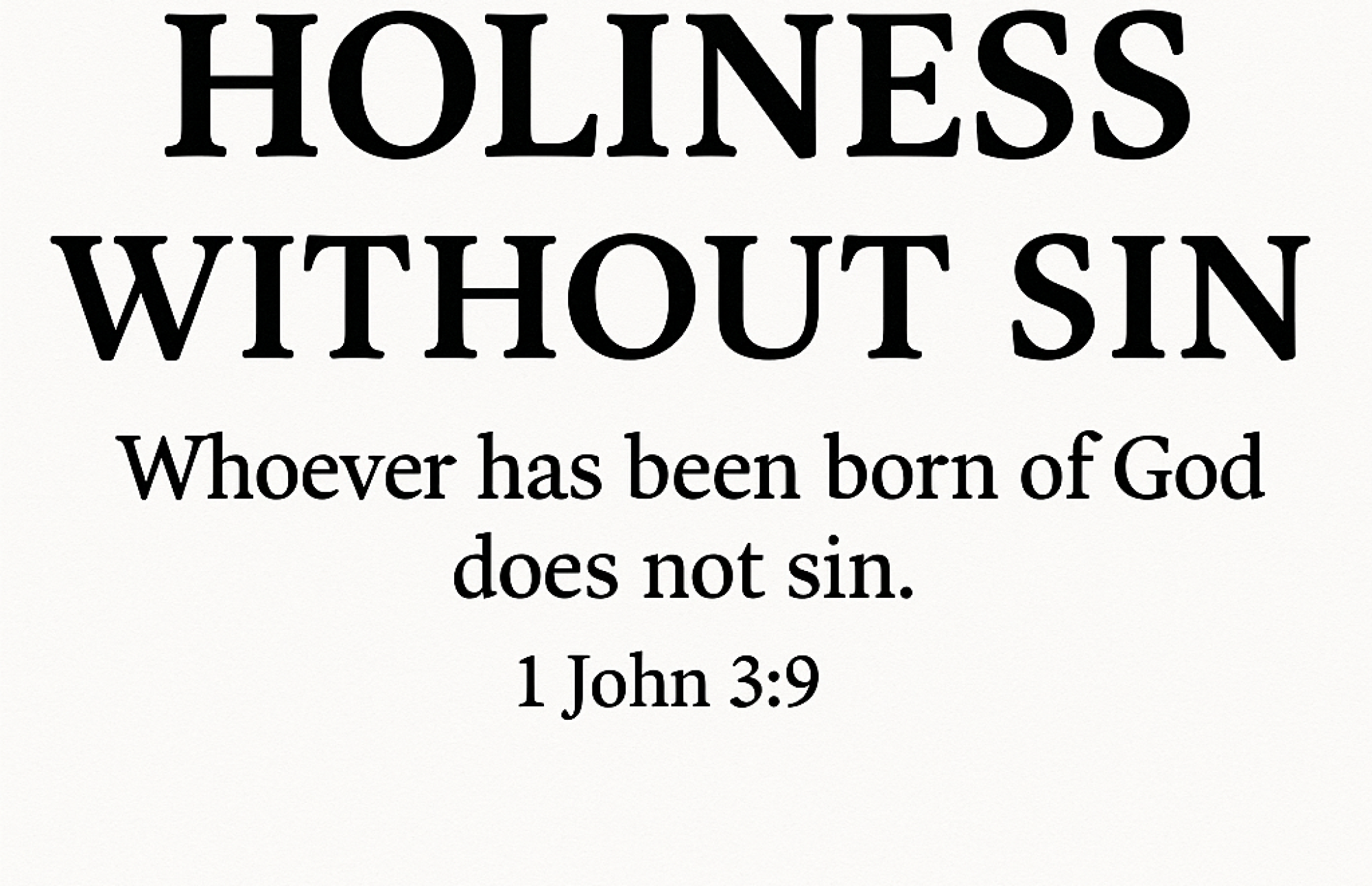
Philippians 2:12–15 establishes a truth that modern Christianity desperately tries to silence: there is no salvation without effort, without labor, without a painful and constant work against the flesh.
“Work out your own salvation with fear and trembling.”
Paul does not say receive, claim, or assume your salvation. He says work it out. Salvation is not automatic, not effortless, and not preserved by passive belief. It requires a continuous, conscious, and demanding cooperation with the grace of God. This work is not theoretical; it is a daily struggle against the flesh, against sinful tendencies, against inner movements that seek to pull the soul back toward corruption.
Without this labor, without this inner warfare, there is no salvation. Grace does not eliminate effort; it demands it. The fear and trembling Paul speaks of are not emotional fear, but a deep awareness of the seriousness of salvation, the holiness of God, and the danger of falling if vigilance is abandoned.
Paul immediately clarifies that this work is done in cooperation with God:
“For it is God who works in you both to will and to do of His good pleasure.”
God works in the believer by shaping the will, awakening the conscience, strengthening the desire for holiness, and giving the power to obey. Yet God does not replace the believer’s responsibility. Man must act. Man must obey. Man must crucify the flesh. Where effort ceases, sin returns.
This work has a clear goal, explicitly stated in verse 15:
“That you may be blameless and harmless, the sons of God, without rebuke, in the midst of a crooked and perverse generation.”
The purpose of salvation is not merely forgiveness, but to become blameless, without rebuke, without stain, without sin. This is not symbolic language. Paul describes a real moral and spiritual state: a life purified from sin, preserved in holiness, and maintained until the coming of Christ.
The reward of this labor is not earthly success, recognition, or comfort. The reward is irreproachability before God. To be blameless means that nothing can be charged against the believer’s life no hidden sin, no tolerated impurity, no ongoing rebellion. This condition must not be temporary; it must remain and endure until the advent of the Bridegroom.
Paul places this calling in a solemn context: “in the midst of a crooked and perverse generation.” This world is moving toward divine judgment. Corruption increases. Sin is normalized. Darkness spreads. Yet precisely in such a generation, God demands a people who shine as lights not because they profess faith, but because they live without sin.
To stop striving, to stop fighting the flesh, to stop working out salvation, is to surrender to the spirit of this generation and to place oneself under the same judgment. Only those who persevere in holiness, who endure in obedience, and who maintain a life without stain will stand approved.
Salvation, therefore, is not preserved by comfort but by perseverance. Not by excuses but by discipline. Not by claims but by a life irreproachable, without sin, maintained until the coming of Christ.
In a generation destined for wrath, only those who work, who fight, who endure, and who remain blameless will be found ready when the Bridegroom appears.