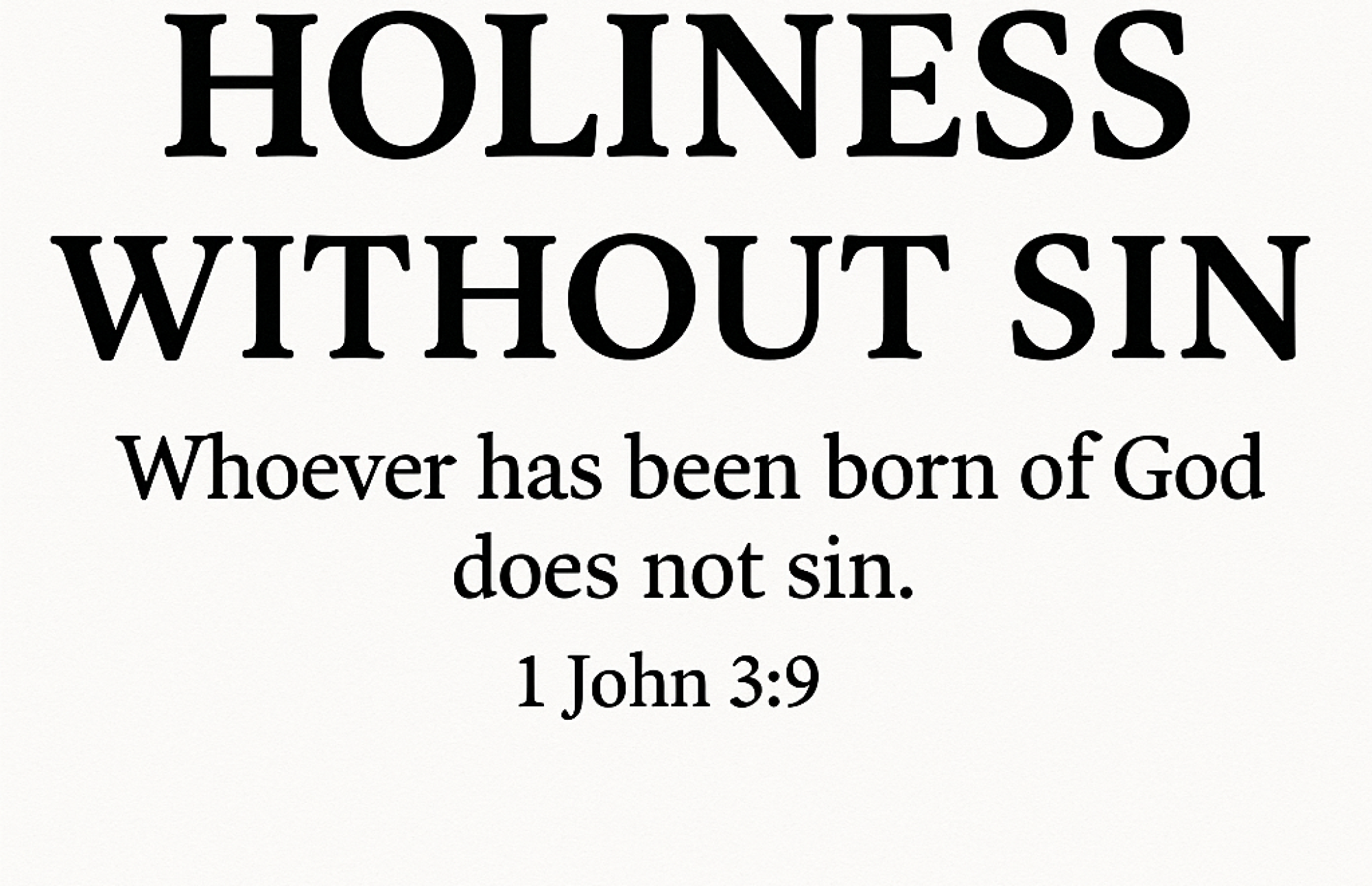
Romans 6 is a foundational chapter because it reveals the true identity of the Christian. It leaves no room for ambiguity, compromise, or theological manipulation. Paul begins with a radical statement in verse 2:
“How shall we, that are dead to sin, live any longer therein?”
This question destroys every doctrine that claims a believer can continue in sin. To be dead to sin is not a metaphor for weakness or gradual improvement; it is a real state.
Death means death. A corpse does not return to life. In the same way, the believer is completely dead to every form of sin in actions, in words, in thoughts, in imaginations, in attitudes, and in intentions. There is no category of sin that remains alive. To say that a Christian can still sin occasionally is to deny the meaning of death itself.
Verse 4 is one of the most beautiful and powerful declarations of the Christian life:
“That like as Christ was raised up from the dead… even so we also should walk in newness of life.”
This newness of life is not a recycled version of the old life with forgiveness added. It is a resurrection life, a life of holiness and purity, where sin has no place. We were buried with Christ, and we were raised with Him into a life where sin is finished, ended, excluded.
Verse 6 explains why this is possible:
“Our old man is crucified with Him, that the body of sin might be destroyed, that henceforth we should not serve sin.”
The old man the carnal self was crucified, not wounded, not improved, but put to death. The purpose is explicit: that we should no longer be slaves of sin. A crucified old man cannot rule, cannot act, cannot revive.
Verse 7 confirms this freedom:
“For he that is dead is freed from sin.”
Freedom from sin is not theoretical. It is real liberation. The believer is not struggling endlessly under sin’s dominion; he is delivered. He is free not to sin.
Paul then clarifies the new identity in verse 22:
“But now being made free from sin, and become servants to God, you have your fruit unto holiness, and the end everlasting life.”
Here the order is clear and unchangeable: freedom from sin first, then slavery to God by choice and by joy, then fruit unto holiness, and finally eternal life. Eternal life is promised only to those who bear ripe fruit of holiness, a holiness without sin.
Grace, therefore, is not given to continually cover relapses into sin. Paul explicitly rejects that idea. As verse 14 states, grace is a power:
“Sin shall not have dominion over you.”
Grace does not tolerate sin; it eliminates its dominion and enables a victorious life. Grace empowers the believer to move forward, to walk in purity, and to live in constant obedience.
Romans 6 concludes with an unmistakable truth: eternal life belongs only to those whose lives are animated by mature holiness, a holiness without compromise, without exception, and without sin. This chapter does not describe an elite Christianity; it describes normal Christianity as God intended it dead to sin, alive to God, free forever, and bearing the fruit of holiness unto eternal life.