Proverbs 24:16 The righteous man falls seven times
and gets up again
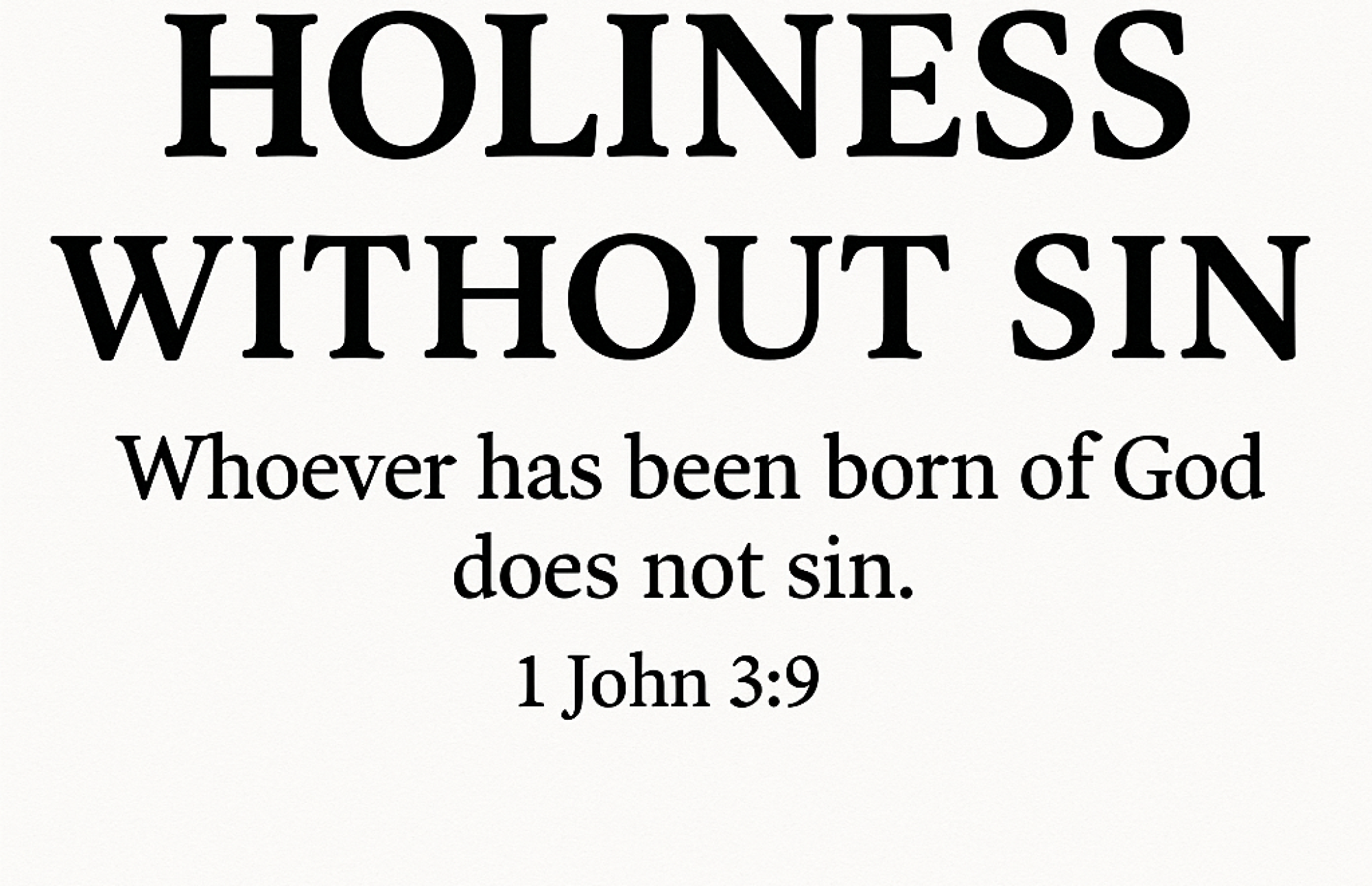
This passage is often misinterpreted to suggest that the righteous would frequently fall into sin. The context and the whole of Scripture refute this idea. Righteousness, according to the Bible, involves a faithful walk before God, animated by grace and obedience to His Law. Here, “falling” does not refer
to sin, but to temporary afflictions, trials, or adversities that
the righteous may encounter in their lives.
The key is the idea that the righteous, though subjected to the tribulations of this world, always rises again through the strength and faithfulness of God. This “falling” may include injustices, apparent failures, or moments of physical or emotional weakness.
However, through their unwavering faith and perseverance, the righteous never remains downcast. God sustains those who walk with Him (Psalm
37:23-24) and lifts them up, rises them up after each fall,
making them even stronger.
In contrast, the verse continues, “but the wicked are brought down to ruin.” This highlights the fundamental difference between the righteous and the ungodly. Where the wicked fall and are destroyed by their sinful choices, the
righteous continue to rise again, because their foundation is the faithfulness of God and their hope in his divin power to straighten them.
This passage is a powerful encouragement: being just does not mean being exempt from trials, but it means living in the certainty that God raises up those who belong to him. “Falling seven times” symbolically expresses the repetition of adversities, but the resilience of the just illustrates a living, victorious and unwavering faith.
Thus, the just do not fall into sin, but go through trials with the grace and strength of God, always rising to continue their faithful walk.