Acts 16:31
Believe in the Lord Jesus, and you and your family will be saved.
In this verse, Paul and Silas invite the Philippian jailer to believe in Jesus Christ which is the foundmetnal condition for the forgivness of sins, but we can never exclude from Paul’s discussion with him the repentance of abandoning sins, which is unbreakably linked to faith in Jesus Christ for the forgiveness of sins as Paul declere in Acts 13:38-39, Actes 17:30, Actes 20:21, Acts 26:20, Romains 2:4 etc…
This faith is not a mere belive as it belived by false evengelical mouvements, it preceded by an implicit condition: genuine repentance by abandoning sins. The verse 32 show the changement in his heart. The context shows that the jailer, struck by fear and conviction, is looking for a way out from his sinful condition. His act of believing in Jesus involves a forsaking of his old life and a total submission to the Lordship of Christ, as the can see in the life of Zacchaeus. Luke 19:1-10
Salvation Is Impossible Without Radical Repentance and Holiness
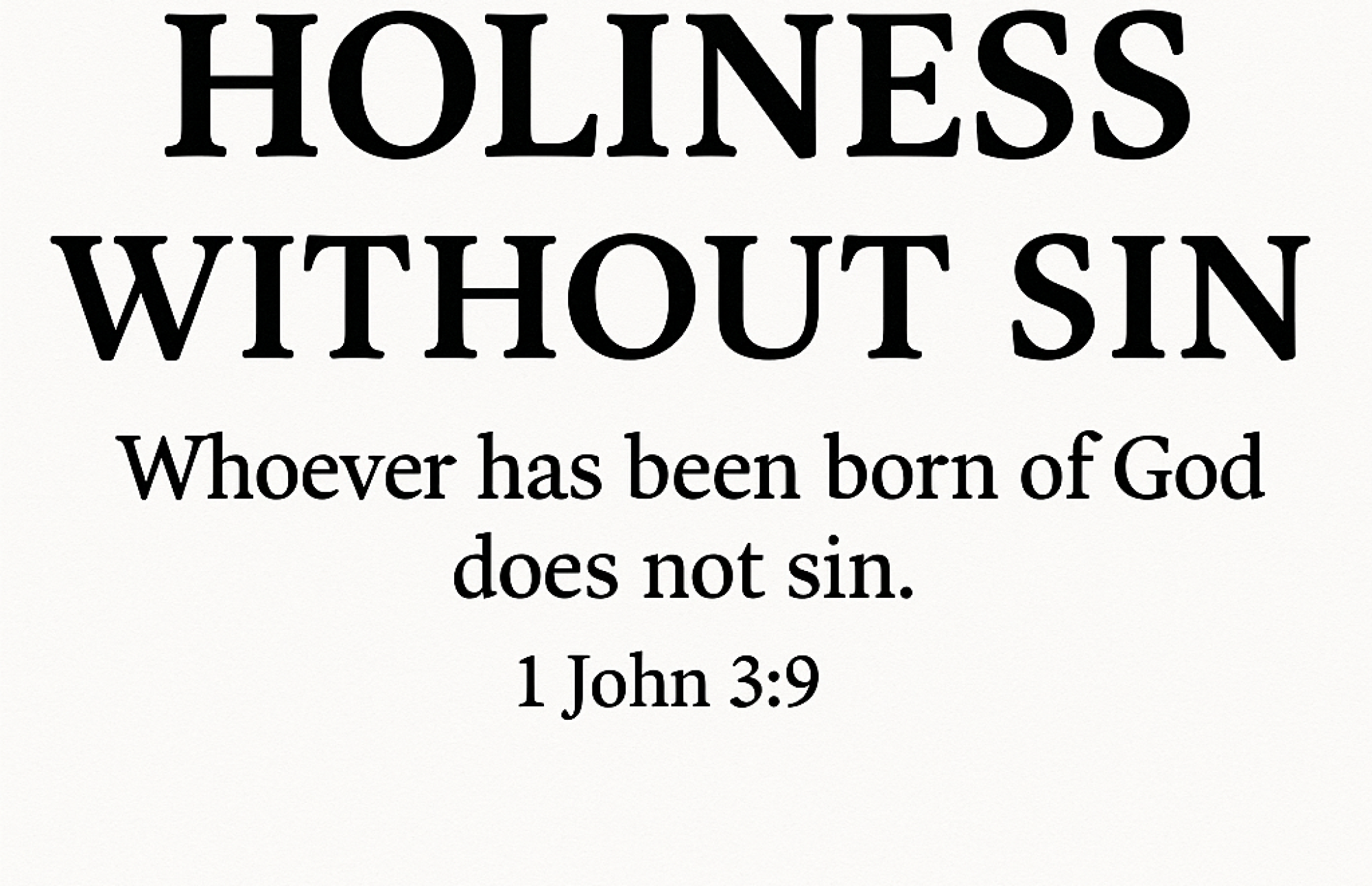
True salvation, as revealed in Scripture, is not compatible with the slightest tolerance of sin. The call of Christ is a call to absolute purity, complete transformation, and a life of victorious holiness without sin. The Gospel preached by Paul does not offer a salvation that leaves man chained to his old habits. It demands a radical break, a total abandonment of every sinful act, thought, desire, and inclination.
To “believe” in Christ is to enter a covenant where sin is no longer permitted, tolerated, minimized, or excused.
The jailer in Acts 16 understood this instinctively: confronted with the holiness of God, he trembled, surrendered, and forsook his former life. This is the only faith that saves—a faith that destroys sin, not one that coexists with it.
Holiness as the Non-Negotiable Condition for Salvation
The doctrine of Christ leaves no room for a half-converted heart or a divided life. Salvation is not for those who merely profess faith, but for those who walk in spotless obedience, producing ripe fruits of holiness every day.
The slightest compromise with sin is a denial of the Lordship of Jesus.
The Gospel does not promise heaven to those who continue to sin “occasionally” or “weakly,” but only to those who have crucified the flesh and live in perfect purity as servants of righteousness. This is why Paul declares that eternal life is the end of holiness (Romans 6:22).
There is no salvation apart from sanctification, no justification apart from transformation, no faith apart from total obedience.
Anything less is a counterfeit gospel that condemns instead of saves.